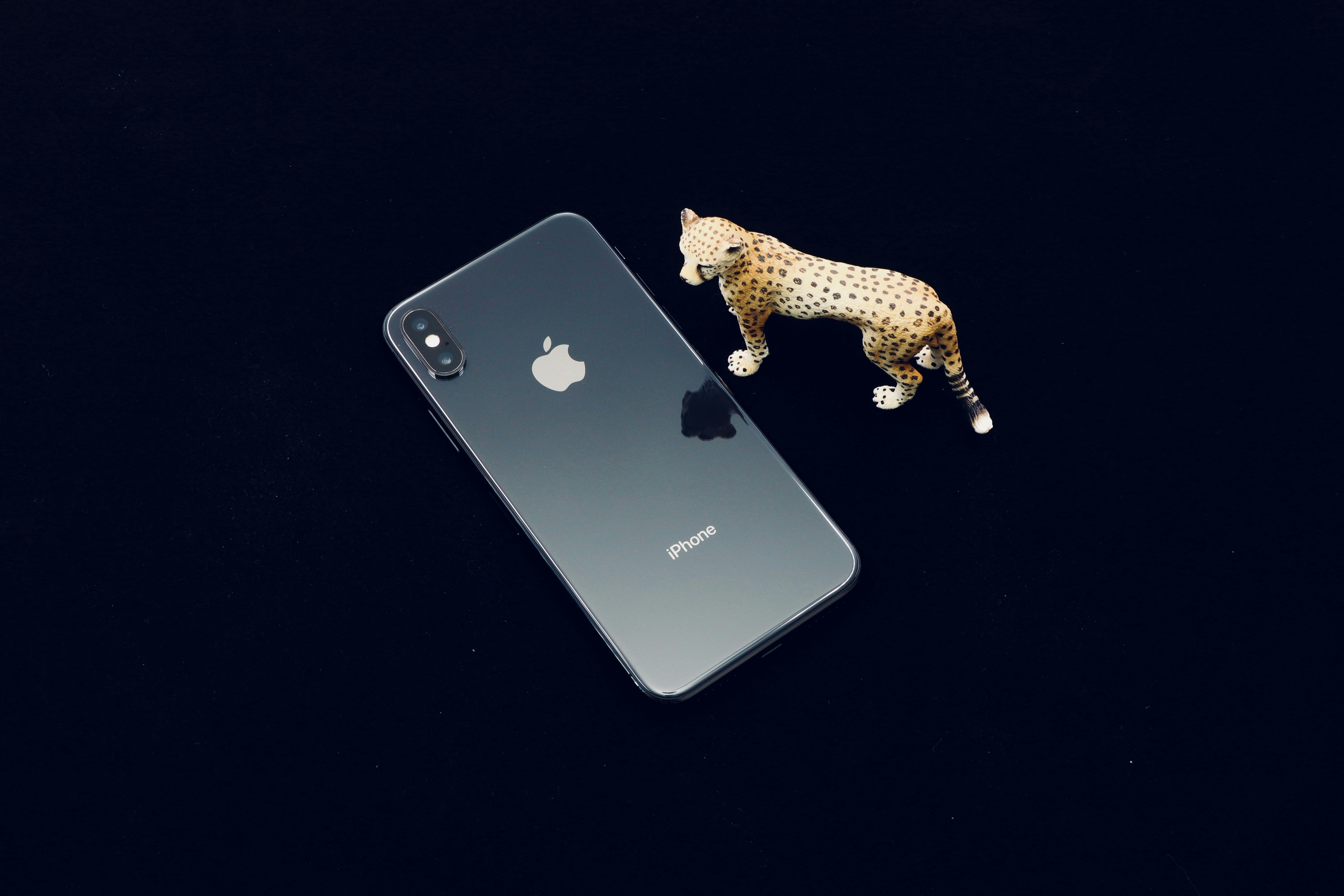

Introduction to Apple’s New Design Philosophy
Apple Inc. has long been recognized for its commitment to innovation, not only in technology but also in design aesthetics. The company’s logo placement across its product range serves as a testament to its evolving design philosophy, which emphasizes a harmonious balance between functionality and visual appeal. Over the years, Apple has adeptly re-evaluated how its logo is presented, aligning it with current trends and consumer expectations. With the upcoming iPhone 17, the changes in logo placement are poised to highlight a deeper strategic vision that integrates branding seamlessly into the user experience.
Traditionally, Apple has maintained a consistent approach to logo positioning, often opting for visibility and brand recognition. However, recent shifts in design trends indicate a move towards minimalism and subtlety. This evolution reflects a broader understanding that less can be more, particularly in an era where consumers are increasingly focused on the holistic experience of using a product. The thoughtful repositioning of the Apple logo serves not only as an identification marker but also as a part of the overall aesthetic that enhances the device’s appeal.
By examining the new logo placement on the iPhone 17, one can appreciate how Apple seeks to reinvigorate its brand identity while still remaining true to its core values. The implications of such changes extend beyond mere visual alterations, impacting how users interact with their devices. As we explore this innovative design philosophy, it becomes clear that Apple is focused on creating a cohesive relationship between its logo, product design, and user engagement. This deliberate approach reinforces Apple’s status as a pioneer in the tech industry, continually pushing the boundaries of what design can achieve.
The Evolution of iPhone Design: A Brief History
The design of the iPhone has undergone significant transformations since its initial launch in 2007. Each iteration has introduced innovative features and aesthetic changes that reflect Apple’s commitment to marrying technology with user experience. One of the most notable aspects of this evolution is the placement of the Apple logo, which has often functioned as a visual cue for brand identity and product perception.
In the first few models, including the iPhone 3G and iPhone 4, the logo was prominently placed on the back, serving as a hallmark of Apple’s design ethos. This location allowed the logo to be easily visible, enhancing brand recognition. However, with the advent of the iPhone 5, the logo’s placement shifted slightly to accommodate new design elements, such as glass and aluminum materials, which contributed to a sleeker profile. The introduction of color options in later models, like the iPhone 6 and iPhone 7, also influenced how the logo complemented the overall aesthetic.
With the iPhone X, Apple took a bold step by eliminating the home button and introducing a full-screen display. This change not only improved user interaction but also necessitated a rethinking of the logo’s role, which remained on the back but adapted to a myriad of color and finish choices. The recent models, including the iPhone 13, have further refined the logo’s visibility and positioning, aligning it with a more minimalist design that emphasizes screen space and user interface.
As we approach the iPhone 17, speculations suggest that Apple will continue to innovate in logo placement, potentially reflecting new technological advancements. Such changes not only mark shifts in design but also represent Apple’s evolving branding strategies as they adapt to consumer expectations and market trends. These design decisions underscore the interplay between form and function, a core principle of Apple’s philosophy.
Speculation Around iPhone 17 Logo Placement
As the launch of the iPhone 17 approaches, speculation surrounding its design has intensified, particularly regarding the placement of the iconic Apple logo. Numerous rumors have circulated, suggesting that Apple may alter the logo’s position in response to consumer feedback and emerging market trends. Traditionally, the logo has been prominently displayed on the back of iPhones, but recent reports have hinted at a potential shift that could see the logo repositioned or even reimagined in the context of the device’s aesthetics.
One of the primary motivations for this possible redesign appears to stem from the increasing emphasis on minimalism in product design. With consumers gravitating towards sleeker and more understated devices, Apple may consider a subtler logo placement that aligns with current preferences. Such a change could also provide a fresh perspective on how the brand is presented, reinforcing its commitment to innovation and user experience. The logo’s visibility plays a critical role in brand recognition, as well as in the perceived desirability of a product. Many consumers value the ability to showcase their devices, and the logo serves as a prominent identifier of brand loyalty.
In addition to aesthetic considerations, the iPhone 17’s logo placement could also reflect strategic marketing decisions. Apple’s focus on creating a more premium, cohesive product line may necessitate a reevaluation of design elements, including the logo. By adopting a new logo position, Apple could differentiate the iPhone 17 within an increasingly crowded smartphone market, ultimately enhancing its competitive edge. While the exact changes remain a topic of speculation, it is evident that logo placement will be a focal point for Apple in shaping the consumer perception of the upcoming device.
Impact and User Reactions to the New Logo Design
The recent decision by Apple to modify the logo placement on the iPhone 17 has garnered significant attention, stirring a mix of anticipation and debate among users and industry analysts alike. The revised logo positioning is more than mere aesthetics; it represents a strategic pivot aimed at enhancing user experience and reinforcing brand identity. Early reactions from focus groups indicate that consumers are intrigued by the changes, with many expressing excitement over the possibilities that new design features may bring.
From a consumer behavior perspective, the relationship between branding and purchasing decisions is profound. Apple has cultivated a loyal customer base that values innovation and uniqueness. As such, the repositioning of the logo on the iPhone 17 could play a pivotal role in influencing buyers’ decisions, especially regarding their perception of value and prestige associated with the device. The incorporation of the logo at a more prominent location may serve to underline Apple’s commitment to modern design principles while ensuring that the brand remains top-of-mind in a competitive market landscape.
Moreover, initial social media responses suggest that while some expect positive shifts in brand perception, others remain skeptical about whether such changes will significantly impact their loyalty to the brand. There is a possibility that this design choice could lead to a broader acceptance of alternative aesthetics in future Apple products, reflecting the brand’s adaptability and responsiveness to consumer feedback. As brand enthusiasts and skeptics alike navigate their feelings towards the iPhone 17’s new logo position, it raises pressing questions about the future direction of the Apple brand and its design philosophy.
In conclusion, the impact of the new logo placement on user reactions remains to be fully realized, but it is evident that this change has the potential to influence consumer behaviors significantly and reshape Apple’s branding trajectories in the years to come.